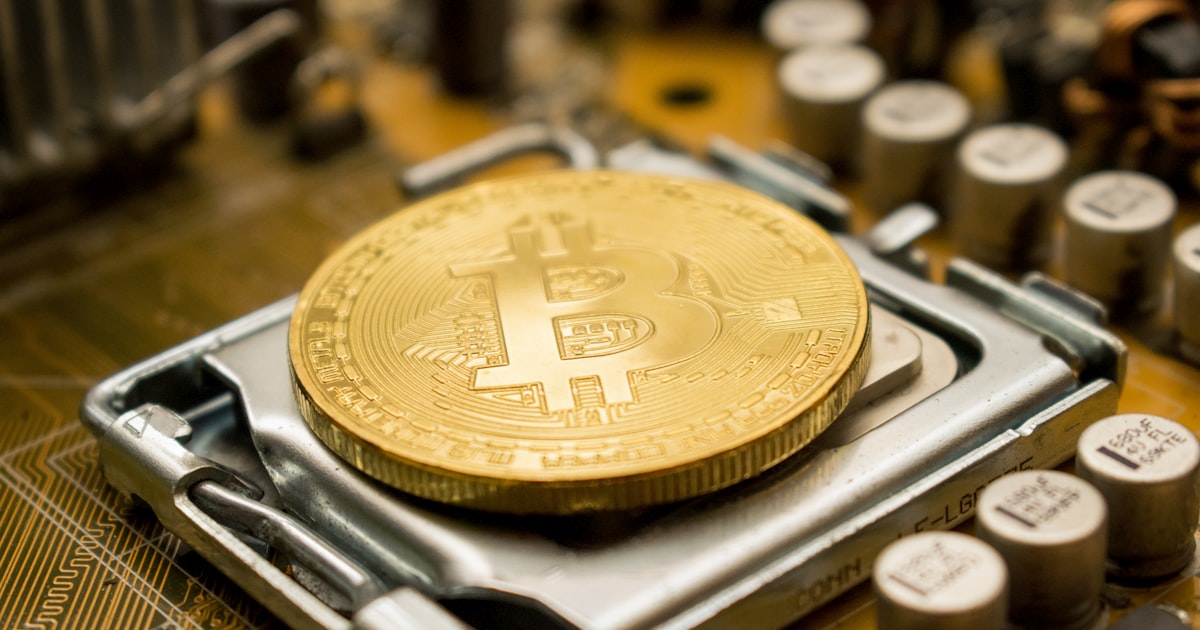
Bitcoin Miners Bet Big on Nuclear as AI Power Wars Heat Up
The crypto market barely flinched when CoinTelegraph reported that bitcoin miners are aggressively pivoting toward nuclear energy. But it should have. This isn't just about finding cheaper kilowatts—it's about survival in an era where energy costs determine who profits and who goes bankrupt.
According to CoinTelegraph, bitcoin miners saw this power crunch coming long before AI data centers made nuclear cool again. They've already begun securing partnerships with nuclear facilities across the US. And while traditional finance was still debating whether crypto had a future, miners were quietly engineering one that didn't require displacing entire neighborhoods' worth of power grid capacity.
Here's what's actually happening.
Bitcoin blockchain mining consumes staggering amounts of electricity. A single transaction on the bitcoin blockchain ledger requires computational work that, at scale, rivals entire cities. Bitcoin blockchain transactions are growing, network difficulty keeps climbing, and miners need power—lots of it. The traditional grid can't keep up. Natural gas is expensive. Coal is toxic. So they're going nuclear.
And here's where it gets interesting: they're not alone anymore.
The broader AI boom has created a perfect storm. Data centers running large language models and training compute clusters need comparable energy volumes. Tech giants like Google and Microsoft have started nuclear partnerships too. The renaissance isn't happening because environmentalists won the argument. It's happening because nuclear is the only energy source that can deliver the density these operations demand without blowing carbon budgets or decimating the grid.
What does this mean for your portfolio?
First, the obvious: crypto holdings tied to major mining operations could see margin compression reverse. If miners can lock in long-term nuclear power contracts at stable rates, their profitability becomes less vulnerable to grid fluctuations and energy price spikes. Bitcoin blockchain search tools and blockchain explorers will start lighting up with transactions powered by reactors instead of coal plants. That's not just optics—it's structural cost advantage.
Second, and frankly more interesting: this signals confidence in crypto's permanence. Miners don't sign decade-long nuclear deals on a whim. When you're committing to nuclear infrastructure, you're betting the farm that your business model survives the next 20 years. That's institutional conviction. That's different from 2017.
The real question is whether traditional energy investors understand what's happening to their market share.
Natural gas utilities facing displacement from bitcoin blockchain mining operations might see those contracts vanish faster than expected. Coal's already dying—this accelerates it. Meanwhile, whoever controls nuclear capacity is about to become incredibly valuable to the crypto economy, the AI industry, and possibly the entire digital infrastructure stack.
But there's a catch.
Nuclear expansion takes years. Permits take longer. If demand accelerates faster than new capacity comes online, power costs could spike again before these deals materialize. Miners might find themselves in another squeeze by 2027 or 2028. The bitcoin blockchain size keeps growing. Bitcoin blockchain transactions keep increasing. Without adequate nuclear infrastructure ready to absorb that load, margins compress again.
So watch nuclear stocks. Watch mining stocks. And watch energy sector announcements like they're earnings reports. The companies that secure nuclear capacity first don't just win the mining game—they control the infrastructure that powers the next decade of digital finance.
That's worth more than any blockchain lookup or blockchain tracker could show you.