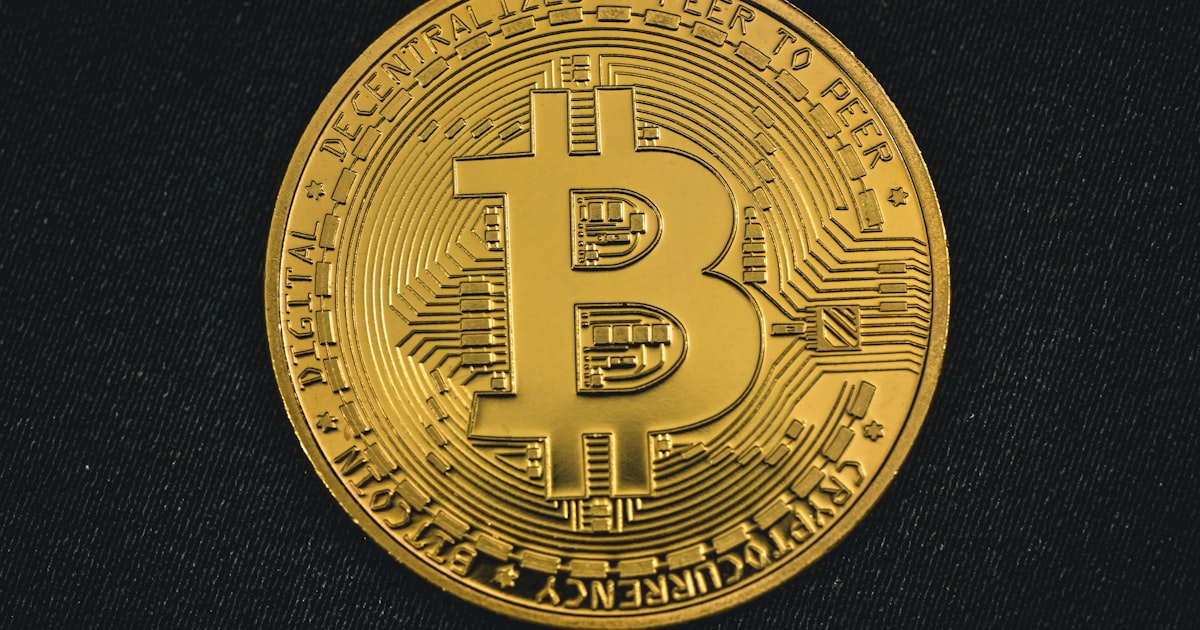
Bitcoin Defies Gravity While Markets Tank on Middle East Tensions
Bitcoin just hit weekly highs. Meanwhile, stocks are tanking. That's the opposite of what usually happens.
According to Decrypt, the cryptocurrency surged to fresh weekly peaks even as traditional equities crumbled under geopolitical pressure from Middle East tensions. It's a striking divergence—the kind of market behavior that makes headlines because it shouldn't happen this way.
So why does this matter? Because when geopolitical uncertainty spikes, investors typically flee to safety. They dump risky assets. They pile into bonds and gold. Crypto usually gets hammered alongside equities. But not this time.
The conventional playbook got flipped.
What's driving the disconnect? Analysts point to crypto-specific demand factors that've insulated Bitcoin from the broader selloff. Energy market volatility tied to Middle East tensions is part of the story—oil price swings create their own winners and losers in the crypto ecosystem. Some traders are rotating into digital assets as a hedge precisely because traditional correlations have broken down.
"There's genuine demand for Bitcoin independent of what the stock market does," one market observer noted. That's the real takeaway here. Bitcoin's moving on its own thesis now, not just mirroring SPY movements.
But here's where price vulnerability becomes relevant. Bitcoin's apparent strength masks an underlying fragility—its decoupling from traditional markets works both ways. When energy prices stabilize. When geopolitical tensions ease. When institutional demand shifts. The rally could evaporate just as quickly as it formed.
And that gets at price vulnerability meaning in crypto: the asset's value hinges on flows and sentiment that can reverse without warning. There's no earnings report to anchor valuations. No central bank backstop. Just market participants making bets on where money flows next.
The current setup is particularly nasty because it creates false confidence. Bitcoin's climbing while everything else falls. That feels durable. It isn't.
Energy sector dynamics are amplifying everything right now. Middle East tensions push oil volatility higher. Volatility attracts speculators. Speculators pile into Bitcoin as an inflation hedge and energy play rolled into one. It's a feedback loop—until it isn't.
So what happens next?
If geopolitical fears ease in the coming weeks, expect a test. Bitcoin could hold its gains if crypto demand truly decoupled from traditional risk sentiment. Or it could cave fast if this rally was just tactical positioning ahead of a broader rotation back into stocks.
Investors should watch oil prices closely. If crude stabilizes, Bitcoin's weekly momentum could evaporate. Energy traders are watching the same charts. When they see mean reversion coming, flow into crypto dries up.
The real question is whether Bitcoin's current strength reflects structural changes in how money moves—or just a temporary arbitrage opportunity that closes when headlines shift. Neither outcome is certain. Both are possible.
For now, hold the position. Monitor energy markets. And remember: decoupling from traditional assets is great until it isn't.