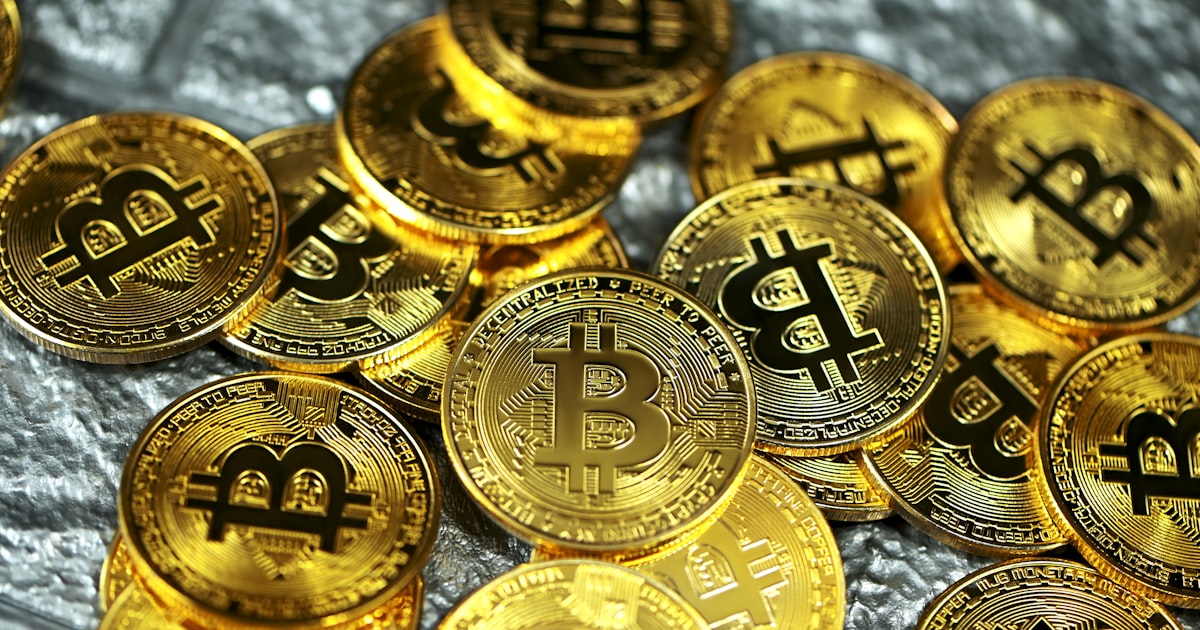
Bitcoin Surges Past $76K on Softer Inflation Signals
Bitcoin just hit $76,000. That's the highest level since early February, and it happened for a very specific reason: the US PPI inflation report came in cooler than expected.
According to CoinTelegraph, the crypto market's reaction wasn't emotional speculation or some random pump. This was a legitimate market event—direct cause and effect. When inflation data suggests the Federal Reserve might ease off on interest rate hikes, investors rotate capital into risk assets like Bitcoin. It's almost mechanical.
Here's what happened: Better-than-expected producer price index numbers hit the wires, and within hours, Bitcoin climbed nearly $3,000 from its previous levels. The broader crypto sector followed suit, with Ethereum and other altcoins posting solid gains. This isn't coincidence. It's the market functioning exactly as it should when macroeconomic conditions shift.
Why Inflation Data Matters So Much to Crypto
The real question is: why does a single inflation print move Bitcoin so dramatically?
Because Bitcoin is still fundamentally a macro trade. Despite all the talk about blockchain innovation and decentralized finance, institutional money flows into crypto when real interest rates fall. Lower rates make non-yielding assets like Bitcoin more attractive relative to bonds and cash.
And there's something else at play here.
Right now, investors are genuinely uncertain about where inflation heads next. The Fed's been aggressive with rate hikes, but if inflation genuinely peaks, that entire narrative unwinds. Bitcoin gets caught up in that repricing. A single data point doesn't confirm the trend—not even close—but it's enough to shift sentiment and trigger algorithmic buying.
Security Concerns Linger Beneath the Surface
But here's what traders and portfolio managers need to think about beyond just price action: Bitcoin's infrastructure isn't sitting still, and neither are the threats against it.
CoinTelegraph and other outlets have been tracking various bitcoin security vulnerability discussions on bitcoin core vulnerability platforms and github repositories. There's ongoing debate about bitcoin quantum vulnerability proposals and whether current blockchain systems are adequately prepared for quantum computing breakthroughs.
These aren't theoretical fears anymore.
Bitcoin cyber security conversations have intensified as cryptocurrency holdings represent real wealth targets. Bitcoin cyber crime remains a persistent risk, with exchange hacks and protocol exploits still generating headlines. The bitcoin vulnerability landscape keeps expanding—from wallet attacks to potential bitcoin code vulnerability issues buried in years-old implementations.
So when your portfolio jumps $2,000 per coin on inflation data, ask yourself: are you comfortable with these underlying risks? A price surge doesn't solve the security challenges.
What This Means for Your Portfolio
If you're holding Bitcoin, today's move is probably pleasant. But conviction matters more than one-day gains.
The real test is whether this inflation narrative actually holds. If next month's data comes in hot, Bitcoin could give back all these gains and then some. Crypto volatility isn't going anywhere. The Fed's policy direction will determine Bitcoin's trajectory far more than any single good day.
Diversification remains critical. Don't treat this $76K level as a reversal signal that justifies overweighting crypto. It's one data point in an ongoing macro story. And frankly, until the Fed actually cuts rates—not just hints at a pause—Bitcoin remains vulnerable to downside surprises.
Watch the next inflation reports closely. That's where your real signal lives.