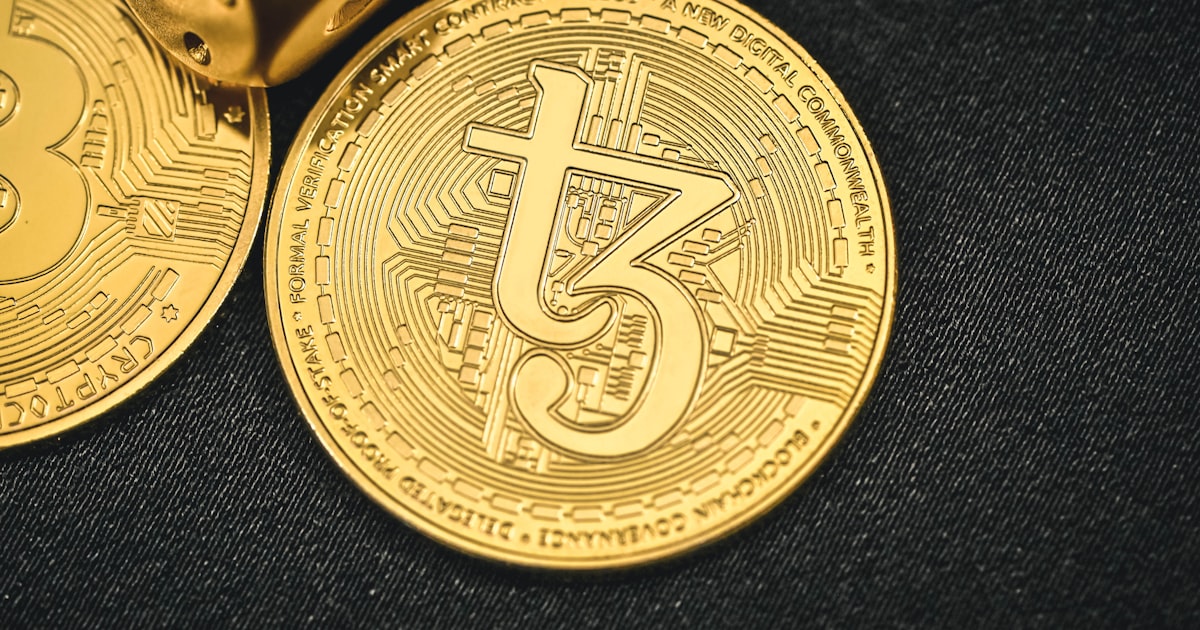
Bitcoin and Gold Are Splitting. Here's Why That Matters.
Bitcoin and gold aren't moving together anymore. According to CoinTelegraph, a 21Shares analyst has identified a crucial divergence between the two alternative assets—and the explanation reveals something important about who's actually buying them.
Central banks want gold. Retail investors want Bitcoin.
That's the core insight. While traditional institutional money continues to flow into precious metals, driving gold prices upward through steady demand from monetary authorities worldwide, Bitcoin's price action increasingly reflects retail adoption patterns and technological developments in the blockchain space.
The distinction matters because it shows how alternative assets are no longer moving as a unified hedge against inflation or currency debasement. They're splitting along investor class lines.
Two Different Narratives, Two Different Buyers
Gold has been the ultimate safe-haven asset for centuries. Central banks stockpile it. Governments trust it. When geopolitical tensions rise or inflation concerns spike, institutions reach for gold because it's familiar, it's proven, and frankly, it's what their mandates allow them to hold.
Bitcoin, though?
Bitcoin's story is entirely different. It's driven by individual investors, technology enthusiasts, and corporations betting on blockchain innovation. The retail market cares about adoption rates, network effects, and whether institutions will eventually add Bitcoin to their portfolios. These are forward-looking concerns, not backward-looking safety plays.
The 21Shares analyst notes that this split reflects something deeper: shifting preferences across investor categories. Institutions still want stability and time-tested assets. But retail participants are chasing growth and technological disruption.
Security Concerns Add Another Layer
There's something else worth mentioning here. As Bitcoin adoption expands among retail investors, the conversation around security has intensified.
Bitcoin blockchain vulnerability discussions have become more prominent lately. There's legitimate chatter about bitcoin core vulnerability patches, bitcoin cyber crime risks, and even emerging threats like bitcoin quantum vulnerability concerns. The bitcoin quantum vulnerability proposal discussions, in particular, suggest the community is taking long-term security seriously.
So while retail investors pile in, they're also grappling with legitimate questions about bitcoin cyber security and analyst vulnerability management within the ecosystem itself. These aren't trivial concerns. They directly impact whether Bitcoin can serve as a reliable alternative asset class.
Here's the real tension: Bitcoin's strength comes from decentralized adoption and network growth. But that same growth introduces complexity around bitcoin security vulnerabilities that need constant attention. Central banks don't have to worry about quantum computing attacks on their gold reserves.
What This Means for Your Portfolio
The divergence between Bitcoin and gold is actually useful information for investors. It means you can't treat them as perfectly correlated hedge instruments anymore. They're addressing different investor needs through different mechanisms.
Gold works as portfolio ballast. It stabilizes. Bitcoin works as a growth and innovation bet. It moves with technology sentiment.
If you're building a hedge strategy, this divergence suggests you need both. Gold for institutional-style portfolio protection. Bitcoin for exposure to technology adoption trends and retail-driven markets.
But don't sleep on the security dimensions either. As Bitcoin scales, the stakes around bitcoin cyber security only get higher. Understanding these vulnerabilities—and how seriously developers take addressing them—matters before you commit significant capital.
The analyst perspective from 21Shares essentially confirms what we've suspected: Bitcoin and gold aren't alternatives to each other anymore. They're alternatives to different things for different people.