Bitcoin Tumbles Below $71K as Geopolitical Tensions Rattle Crypto Markets
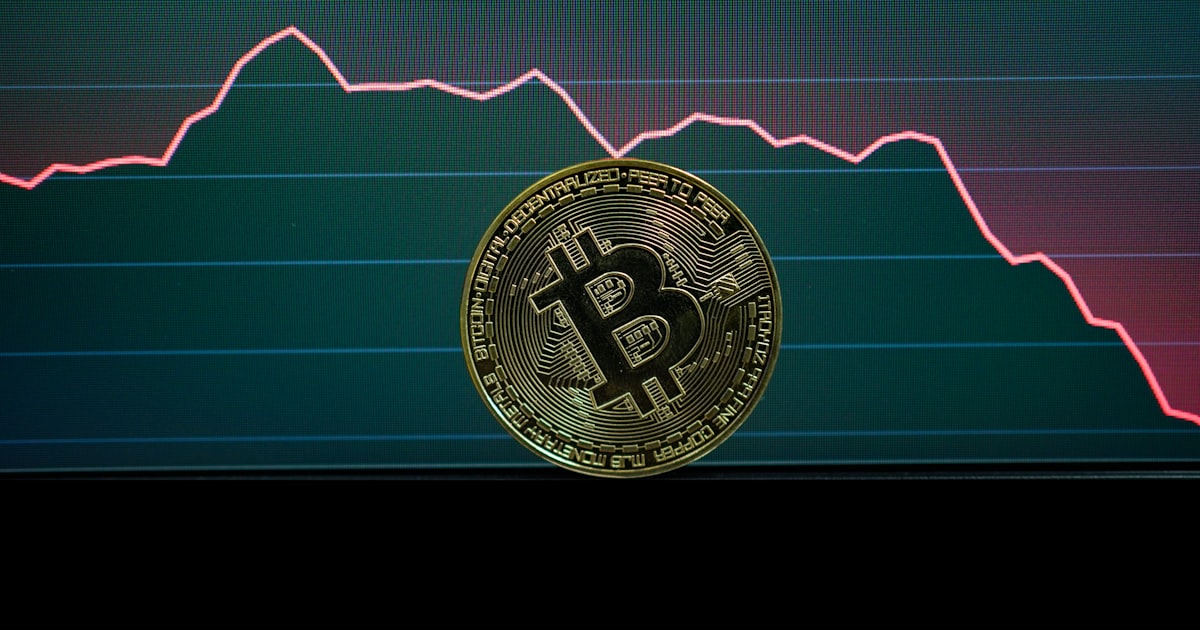
Your bitcoin holdings just got a little lighter. On April 12, bitcoin fell below the $71,000 mark as escalating tensions between the US and Iran sent shockwaves through crypto markets. So why does a conflict halfway across the world affect your digital assets? Because in today's connected financial system, fear spreads fast—and it doesn't discriminate between traditional stocks and cryptocurrencies.
According to CoinTelegraph, the sell-off coincided with a breakdown in peace negotiations and heightened military posturing between the two nations. This isn't some distant headline that only matters to geopolitical analysts. When war tensions spike, investors get nervous. They dump riskier assets first.
And crypto? It's considered a risk asset.
The Strait of Hormuz is at the center of this worry. About 20% of the world's oil passes through that narrow waterway, and any disruption threatens global energy supplies. When oil prices spike, inflation concerns follow. Central banks tighten monetary policy. Asset prices fall across the board. Bitcoin, ethereum, and everything else in the blockchain ecosystem gets caught in the crossfire.
But here's what makes this particularly frustrating: bitcoin's blockchain architecture is supposed to be immune to geopolitical drama. The whole point of decentralized currency is independence from traditional financial systems and their vulnerabilities. Yet here we are, watching the blockchain's market value swing wildly based on Middle East tensions that have nothing to do with hashing power or transaction validation.
The bitcoin blockchain meaning—a distributed ledger that records every transaction—remains technically unchanged. The blockchain size, blockchain mining operations, and the integrity of the blockchain ledger itself are all functioning normally. You can pull up any bitcoin blockchain explorer and verify that blocks are still being added every ten minutes or so. A blockchain search will show you transaction after transaction, processed without interruption.
So the technology works fine. It's human behavior that's the problem.
Investors use a bitcoin blockchain tracker or blockchain lookup tool to monitor network health, but they're also monitoring news feeds with equal intensity. When geopolitical risk spikes, the psychological element takes over. Fear beats fundamentals.
What should you actually do? First, understand that short-term volatility doesn't change bitcoin's long-term technical properties. The blockchain transactions still settle. Network security remains intact. Second, if you're holding crypto, ask yourself whether this is money you can afford to lose in the next few weeks. Geopolitical crises tend to resolve—sometimes quickly, sometimes not. But they do resolve.
Third, don't panic-sell into weakness. That's how you lock in losses. If you believe in the underlying technology, you believe it regardless of whether the Strait of Hormuz is peaceful or tense.
The real question is whether you're investing in bitcoin because you understand the blockchain meaning and the technology's potential—or because you're chasing price gains and getting caught in every wave of fear. One approach survives geopolitical crises. The other doesn't.
Watch the blockchain explorer. Watch the news. But don't let fear make your decisions for you.