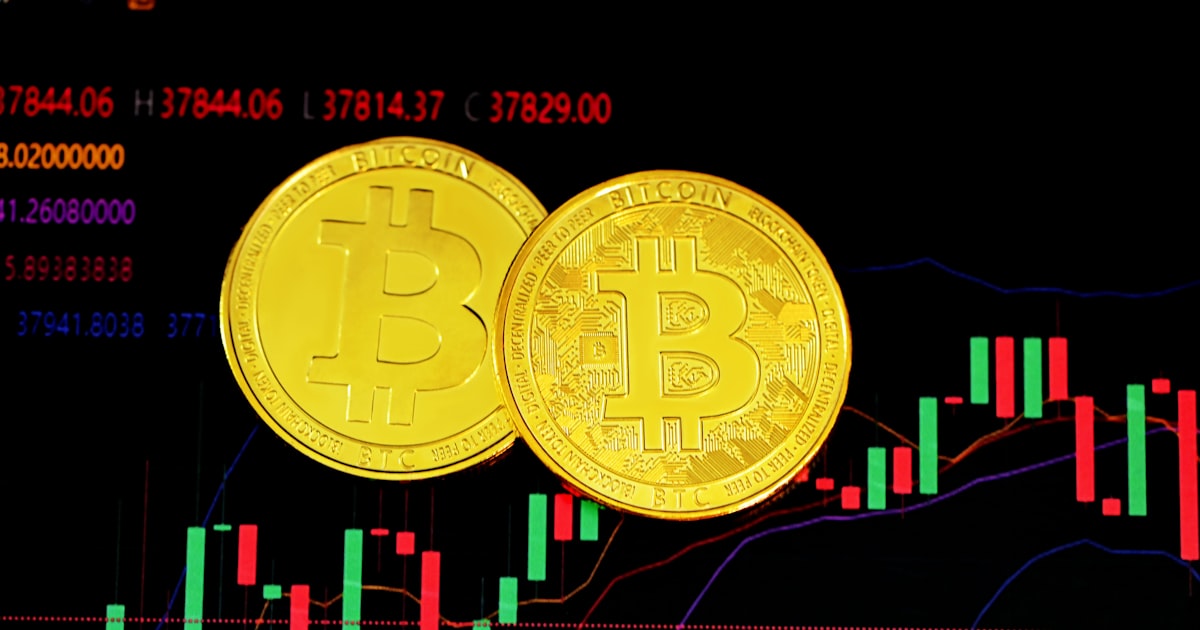
Bitcoin Tumbles as Powell's FOMC Decision Reshapes Market Expectations
Bitcoin fell hard this week. And according to Decrypt, the culprit wasn't a surprise—it was Federal Reserve Chair Jerome Powell's latest FOMC meeting, widely viewed as his likely final before stepping down. The cryptocurrency market, typically sensitive to any hint of monetary policy shifts, reacted swiftly and decisively to the Fed's rate decision, pulling back from recent gains and signaling investor anxiety about what comes next.
So why does this matter for your portfolio?
Because crypto doesn't exist in a vacuum. When the Fed signals where interest rates are heading, it ripples through everything—stocks, bonds, digital assets, all of it. Investors rotate capital based on what they expect the central bank to do, and right now, that uncertainty is creating volatility across multiple asset classes.
Decrypt's reporting captured three distinct market-moving developments that happened roughly simultaneously. First, the rate decision itself. Second, a fresh batch of Big Tech earnings reports with heavy emphasis on AI capabilities and spending. Third—and this one's interesting—Meta announced it's expanding crypto payment adoption through USDC integration.
The Three-Part Shock to Markets
Let's break down what actually happened.
Powell's FOMC statement didn't announce some dramatic policy reversal. Instead, it maintained a measured tone while leaving room for interpretation about future cuts or holds. That ambiguity is toxic for Bitcoin. The cryptocurrency thrives on clarity. It hates uncertainty about monetary conditions. When you don't know whether the Fed will ease or tighten, you don't know whether to load up on riskier assets or hunker down in cash.
Then came earnings. Apple, Microsoft, Google, Amazon—they all reported. And the story wasn't about revenue or profit margins.
It was about AI spending.
Every major tech company is burning capital to build out AI infrastructure. That's putting pressure on near-term profitability, which traditionally makes growth stocks less attractive. Bitcoin, which some investors treat as a hedge against tech sector weakness, initially rallied on this news. But then the market realized something: if Big Tech is spending heavily on AI, they're betting on a bullish scenario for innovation and economic growth. That makes Bitcoin's safe-haven appeal less relevant.
And then Meta dropped its USDC move.
This is the part that actually matters for crypto specifically. Meta's integration of USDC—the stablecoin pegged to the U.S. dollar—signals mainstream adoption of cryptocurrency payments. Frankly, this should have boosted sentiment in the broader crypto market. Instead, it got overshadowed by the macro factors. Why? Because traders are focused on rates and growth outlooks, not on incremental adoption narratives.
What This Means for Your Holdings
If you're holding Bitcoin or other cryptocurrencies, you're now dealing with a bifurcated market. Long-term structural stories—like institutional adoption and mainstream payment integration—are playing out exactly as the bull case predicted. But short-term price action is dominated by macro flows driven by Fed policy expectations and tech sector dynamics.
The real question is whether Powell's tenure ending creates more clarity or more confusion. A new Fed chair brings unknown tendencies. Will they be hawkish? Dovish? Pro-crypto? Neutral? Markets hate that uncertainty.
Portfolio implications: Bitcoin's volatility likely stays elevated. Don't chase the dip unless you're confident about your long-term thesis. Position sizing matters more than usual. And keep an eye on what a successor Fed chair says about monetary policy in the coming weeks—that'll be the next major catalyst.
For now, the news cycle moves on. But the underlying question remains unanswered: Is Bitcoin a macro play, or a micro adoption story? Until the Fed stabilizes its messaging, the market won't settle down enough to give you a clear answer.