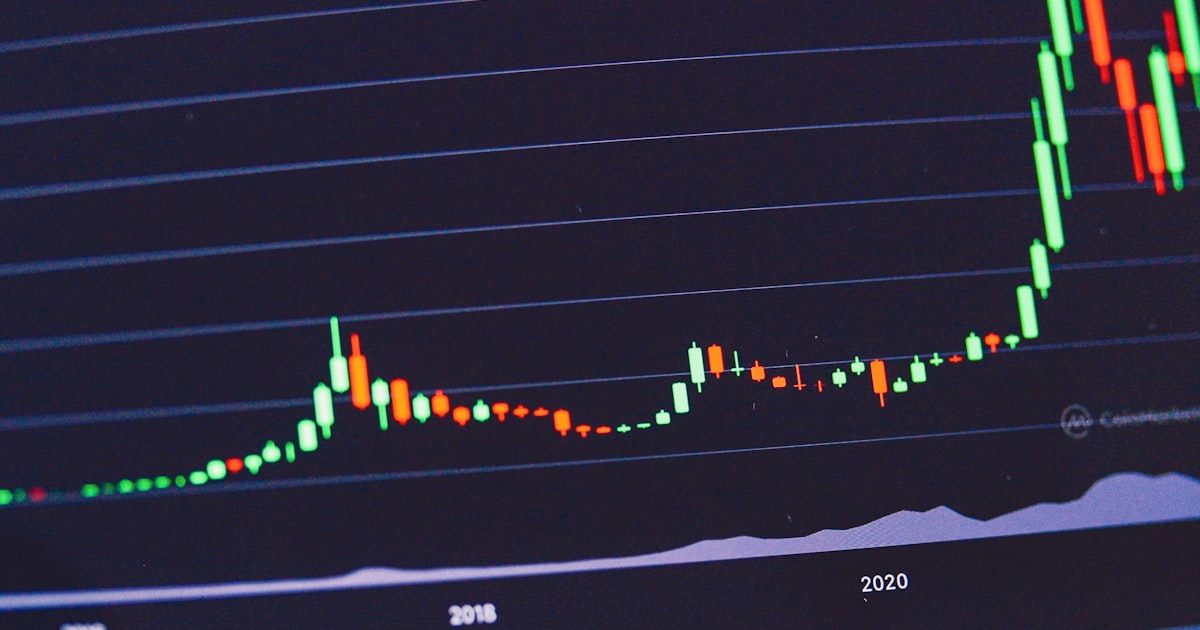
Bitcoin and Ethereum Open Interest Spike: What Rising Leverage Means for Crypto Markets
So why does this matter? Because when Bitcoin and Ethereum open interest climbs, it's telling you something crucial about how investors are feeling right now. According to Decrypt, we're seeing a meaningful uptick in open interest across both major cryptocurrencies—and that's worth understanding, especially if you're watching your portfolio.
Let's back up for a second.
Open interest is basically the total number of outstanding futures contracts that haven't been settled. When it rises, that means more traders are taking leveraged positions—they're betting bigger with borrowed money. It's a confidence signal, but it's also a risk signal. Think of it like a seesaw: more leverage can amplify gains, but it also amplifies losses when the market moves the wrong direction.
What we're seeing now is a shift in sentiment.
For months, crypto markets had been in a holding pattern. Investors were cautious. Nobody wanted to stick their neck out. But this open interest increase tells us that appetite for risk is returning—traders believe in the next move, and they're willing to put capital behind that belief. Decrypt's reporting highlights that this represents a notable market move, one that breaks from the more defensive posture we'd seen prior.
But here's where it gets complicated.
Rising open interest doesn't automatically mean prices go up. It means participation is increasing. That's important because higher participation, paired with leverage, creates more volatility. Larger swings up. Larger swings down. And when leverage unwinds quickly—which it will if the market turns—you get liquidation cascades that can shock the system.
This also comes at a moment when Bitcoin and Ethereum security conversations are intensifying across the industry. There's ongoing discussion about Bitcoin blockchain vulnerability concerns, bitcoin core vulnerability assessments, and even longer-term questions around bitcoin quantum vulnerability proposals as the space matures. When open interest spikes, it means more money flowing into these assets. That makes security scrutiny even more important—not less.
The real question is whether this renewed risk appetite reflects genuine fundamental strength or just short-term trading momentum.
Traders chasing leverage tend to be reactive. They follow price movement rather than lead it. So if this open interest surge is driven by retail traders piling in after seeing green candles, that's one story. If it's institutional players repositioning based on changing macro conditions, that's a different narrative entirely. We don't have perfect visibility into composition, which is why this gets murky fast.
And then there's the security angle.
As more capital flows in through leverage, the urgency around bitcoin cyber security and bitcoin vulnerability management becomes sharper. Exchanges handle these leveraged positions. They're custodians of significant capital. A bitcoin security vulnerability or a bitcoin cyber crime incident during a high-leverage period could create cascading problems across multiple platforms simultaneously. This is particularly nasty because the interconnectedness of crypto markets means contagion spreads fast.
So what should you actually do with this information?
First: don't confuse open interest increases with price direction. They're correlated sometimes, unrelated other times. Second: if you're holding Bitcoin or Ethereum, this volatility uptick means your positions might swing harder than usual. Third: pay attention to where leverage is concentrated—exchange reports and on-chain data from sources tracking bitcoin vulnerability github repositories and security discussions can give you early warning signs of potential stress points.
This isn't a signal to panic or to FOMO in. It's a signal that the market's behavior is changing. Watch it closely over the next few weeks.