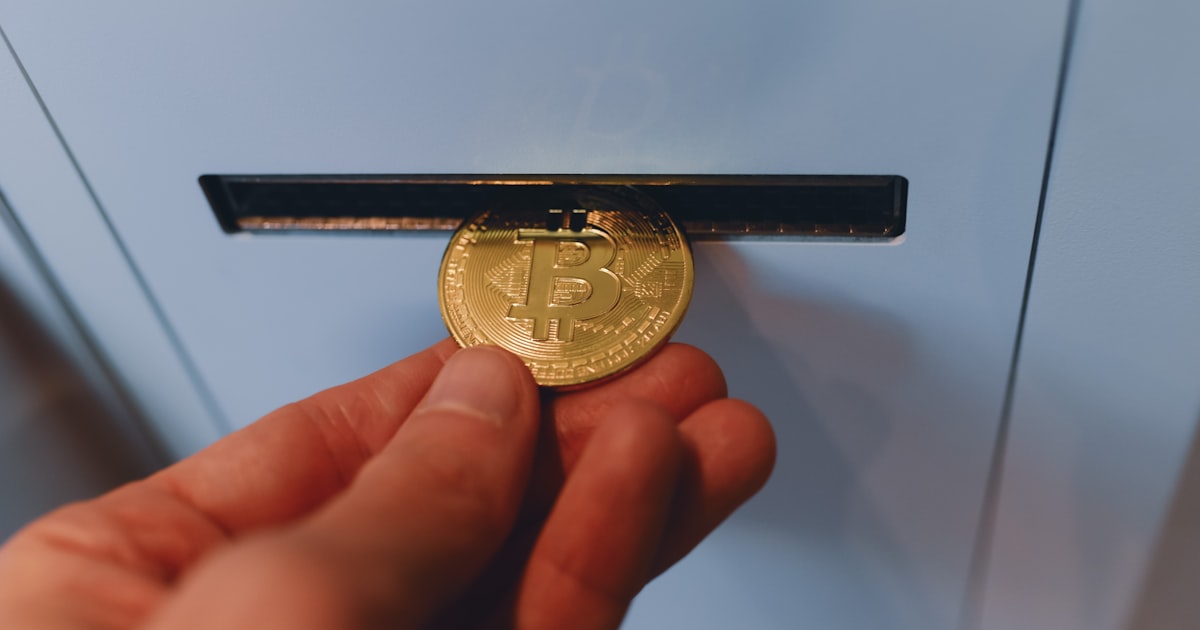
Bitcoin's Comeback: Why Investors Are Rotating Out of Gold
Your investment portfolio just became a bit more interesting. According to CoinTelegraph, Bitcoin ETF inflows have swung back into positive territory while gold ETFs are bleeding capital at record levels. This isn't just noise in the markets—it's a meaningful shift in how investors are thinking about storing value in uncertain times.
So why does this matter to you? Because it suggests real money is moving. Not the speculative kind. When institutions and serious investors rotate between assets, it usually signals a change in market sentiment about risk, inflation, and what they're betting on next.
Understanding the Shift
Gold had an extraordinary run. Historic, even. After climbing steadily through geopolitical tension and economic uncertainty, the precious metal became the safe haven everyone wanted. Investors poured money into gold ETFs, treating it like the ultimate insurance policy against chaos.
Then Bitcoin started looking interesting again.
Here's what's happening underneath: Bitcoin ETFs are now attracting fresh capital while gold bleeds the most dramatic outflows we've seen. It's not that gold suddenly became a bad investment. Rather, investors appear to be asking a different question: do I need insurance against the same old risks, or should I be positioning for what comes next?
And that distinction matters.
The Security Question Nobody's Fully Answering
Before you jump in, there's something worth understanding about Bitcoin itself. The asset isn't without its complications. There's ongoing discussion in development communities about bitcoin security vulnerability and whether the underlying blockchain can withstand emerging threats. Bitcoin Core contributors monitor potential weaknesses constantly, and conversations about bitcoin vulnerability proposals show up regularly on platforms like GitHub where developers collaborate on fixes.
The real tension is this: Bitcoin exists on code. Code has bugs. Sometimes those bugs are minor. Sometimes they're catastrophic.
There's been legitimate discussion about bitcoin quantum vulnerability—the idea that quantum computers might eventually crack the cryptographic signatures protecting Bitcoin holdings. It's not an immediate threat, but it's not theoretical either. The bitcoin security community is already thinking about quantum vulnerability proposals and how to future-proof the network.
This is particularly nasty because cybersecurity in crypto isn't like traditional finance. There's no deposit insurance. When bitcoin cyber crime happens—theft through security failures, for instance—the money's usually gone forever. That's why bitcoin cyber security matters more here than anywhere else.
What This Means for Your Decisions
If you're considering where to position capital between these two assets, understand what you're actually trading.
Gold is physical. Tangible. You can hold it. Its risks are mostly macroeconomic—inflation rates, currency movements, geopolitical stability. The security is straightforward: lock it in a vault.
Bitcoin is digital. Elegant in concept. Its risks include everything gold faces plus technological obsolescence, regulatory crackdowns, and yes, security issues embedded in code itself.
The capital rotation CoinTelegraph is reporting suggests investors think Bitcoin's growth potential now outweighs those concerns. Fair argument. But it's not a trade you should make blindly.
If you're moving money from gold into Bitcoin, ask yourself whether you're doing it because you genuinely believe in Bitcoin's upside, or because you're just following capital flows. One's an investment thesis. The other's momentum.
Check your bitcoin holdings' security practices. Use hardware wallets if you're serious about the position. Stay informed about developments on bitcoin GitHub repositories where real vulnerabilities get discussed before they become crises. And recognize that Bitcoin's evolution—especially around quantum vulnerability and cyber security improvements—is still ongoing.
The rotation is real. Make sure your reasoning is too.