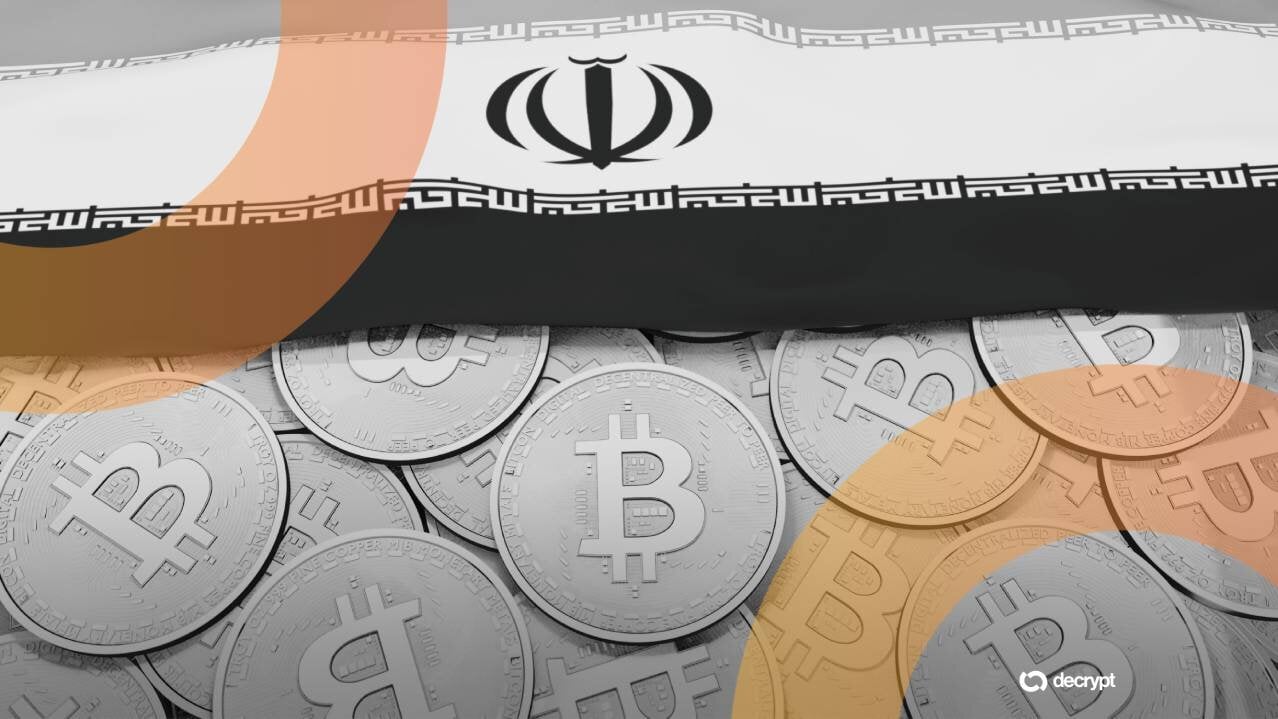
Bitcoin Takes a Hit—Then Bounces Back—as Middle East Tensions Spike
Cryptocurrency markets experienced sharp, whipsaw volatility this week as geopolitical tensions escalated in the Middle East. Bitcoin dropped to approximately $63,000 during U.S. and Israeli strikes on Iran, according to reporting from Decrypt, before mounting a recovery that left investors scrambling to understand what just happened.
The move was dramatic. In a matter of hours, the world's largest cryptocurrency shed thousands of dollars in value.
But it didn't stay down. As markets digested the initial shock and reassessed the actual economic fallout, Bitcoin clawed back much of those losses. The recovery underscores something important about crypto: it's become a barometer for geopolitical risk in ways traditional assets sometimes aren't.
Why Geopolitics Hit Crypto So Hard
Here's the straightforward part: investors hate uncertainty. When bombs start falling, people panic. They sell first and ask questions later. Crypto, being highly leveraged and traded 24/7 by a global audience, feels those shocks immediately—there's no closing bell to give traders time to think.
The real question is whether the actual threat to the global economy justified that initial plunge.
Frankly, it didn't. The strikes were significant militarily but limited in scope. There was no disruption to oil supplies. No major financial infrastructure went down. Within hours, traders realized the headline risk had been overstated, and they started buying the dip.
And that's when things got interesting for portfolio managers watching both crypto and traditional markets.
The Broader Concern: Cyber Vulnerabilities
While the initial shock came from kinetic military action, there's a darker concern lurking beneath the surface. Geopolitical conflicts don't just happen in the physical world anymore. They happen in cyberspace too.
Investors watching this situation were rightfully nervous about something else entirely: is Israel being attacked beyond the direct bombing campaign? Specifically, security researchers have been monitoring whether any of the tensions might trigger coordinated cyber operations against critical infrastructure or financial systems.
Israel cyber attack news and updates have circulated among threat intelligence communities for months. The 2024 Israel cyber attack incidents highlighted vulnerabilities in both public and private sector systems. More recently, experts have warned about a potential Israel cyber attack company exposure—with financial services and energy firms especially at risk if regional hostilities escalate.
There's also been chatter about an Israel cyber attack name—specifically, attribution discussions about which actors might have capability and motivation to launch operations. None of this has materialized into a major incident, but the vulnerability window is real.
So when Bitcoin dropped $5,000+ on the news, some of that move reflected not just fear of direct military consequences, but anxiety about whether cyber operations might disrupt exchanges, payment systems, or the broader plumbing that crypto depends on.
What This Means for Your Portfolio
The volatility matters. It tells us something crucial about how crypto reacts to tail risks.
Unlike stocks, which might trade sideways or decline gradually as risk builds, Bitcoin moves violently and fast when geopolitical uncertainty spikes. That's good for traders. It's terrible for people holding crypto expecting stability.
The recovery is also telling. Yes, Bitcoin rebounded. But the speed of that rebound—combined with the initial severity of the drop—suggests the market is still pricing in real risk. This isn't a one-off move that's been resolved. It's a reminder that geopolitical exposure matters to your crypto holdings in ways it might not for other assets.
If you're holding Bitcoin or other cryptocurrencies and you haven't thought about your risk tolerance in an environment where military action can trigger 8-10% moves in either direction, now's the time to reconsider. Decrypt's coverage of this event made that point clear: when geopolitics and crypto collide, the consequences are immediate and brutal.