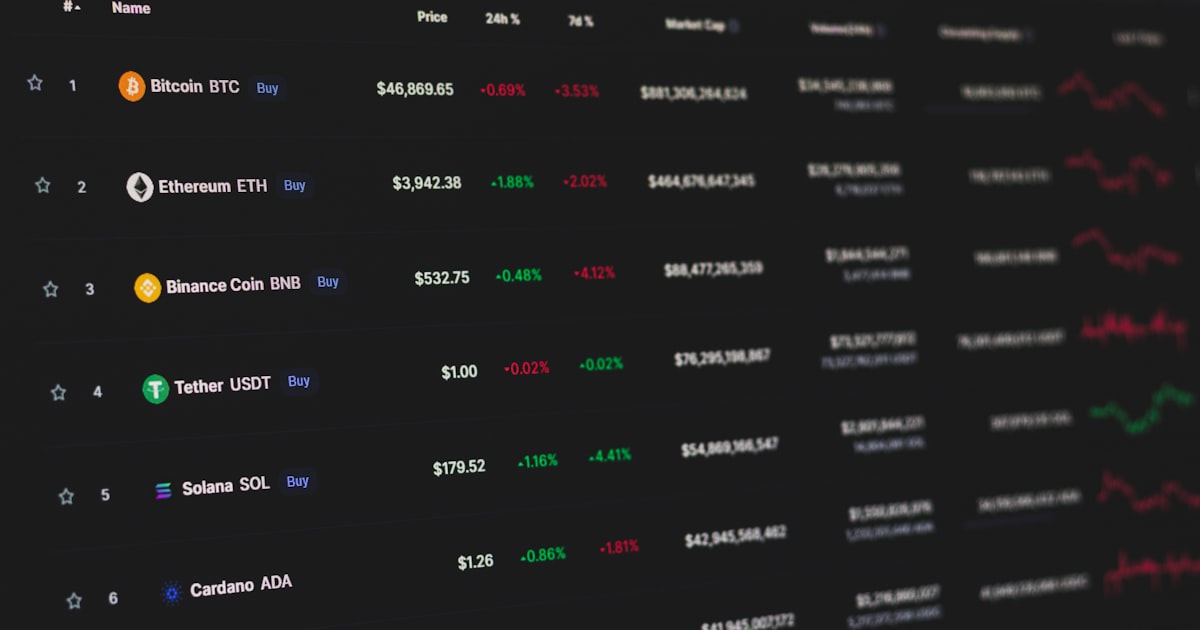
Bitcoin Dips Below $70K—But Don't Panic Just Yet
Bitcoin just dropped 3% below the $70,000 mark. For most people, that's a number that flashes across financial news sites without much meaning. But if you've got any crypto holdings—even a modest amount—this matters. Price swings this size can represent thousands of dollars either gained or lost.
So why does this matter to everyday people? Because Bitcoin's price movements ripple through the broader financial system. When crypto tanks, it often signals broader market anxiety about inflation and recession.
According to CoinTelegraph, the recent dip reflects persistent market concerns about inflation pressures and potential recession on the horizon. These aren't new worries. They've been hanging over markets for months. But they're not going away, either.
Here's what's actually interesting about this particular move, though.
Technical analysts are saying the price action doesn't look obviously bearish. That's analyst-speak for: we're not seeing the kind of panic selling that typically precedes a major crash. The decline exists. It's real. But it doesn't feel like capitulation.
And that distinction matters enormously.
When Bitcoin crashes on extreme bearish signals, it usually means one thing: everyone who's panicking has already sold. After that happens, the floor tends to stabilize. But when a decline comes without those extreme signals? It can go either way. More selling could follow. Or buyers could step in and establish a floor.
The real question is whether Bitcoin's underlying infrastructure remains solid during these price swings. That's where things get complicated. While Bitcoin itself has proven remarkably durable as a blockchain network, the broader cryptocurrency ecosystem faces real cybersecurity challenges.
Bitcoin security vulnerabilities are rare at the protocol level—the code itself has survived two decades of scrutiny. But threats exist elsewhere.
Threats like bitcoin quantum vulnerability loom on the horizon. If quantum computing advances faster than expected, it could theoretically break the cryptographic systems that protect Bitcoin wallets. That's why researchers are already proposing bitcoin quantum vulnerability proposal frameworks to address the threat before it becomes critical.
There's also the ever-present danger of bitcoin cyber crime targeting exchanges and custodians. A major bitcoin cyber attack could shake confidence far more than price swings. Bitcoin core vulnerability discoveries, while rare, get patched quickly when found. But bitcoin code vulnerability in third-party applications? That's where the real danger sits.
And bitcoin cyber security issues have already hurt the ecosystem. When exchanges get breached, users lose holdings. When a bitcoin blockchain vulnerability gets exploited, it undermines the network's credibility. These aren't theoretical risks.
So here's what investors should actually do.
First, don't overreact to a 3% dip. That's normal volatility for this asset class. Second, if you hold Bitcoin, verify you're using reputable custodians with strong security practices. Third, understand that technical stabilization signals are useful, but they're not guarantees.
The price could stabilize here. It could drop further. Markets don't care about analyst sentiment—they respond to actual supply, demand, and fear. Watch inflation data over the next two weeks. That'll probably matter more than today's decline.
Until then, this is a reminder that Bitcoin exists in a financial ecosystem shaped by macro forces completely outside the blockchain. And sometimes that's more important than the code itself.