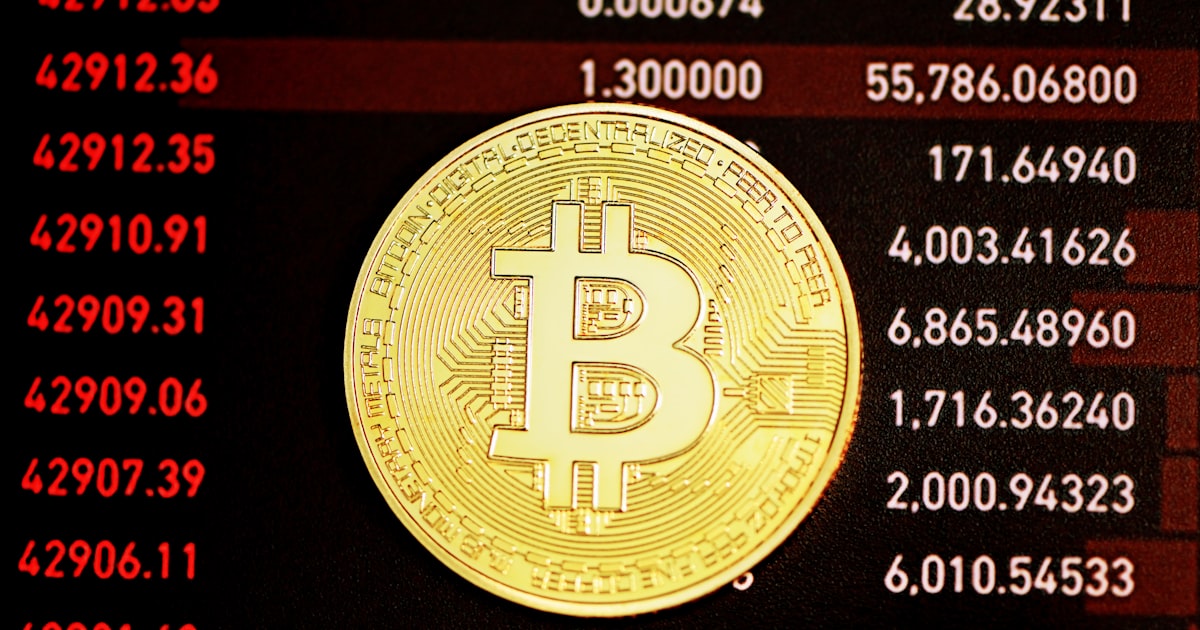
Bitcoin Slips Below $70K as Market Struggles to Find Its Floor
Bitcoin's inability to hold above the $70,000 mark is sending jitters through cryptocurrency markets. According to CoinTelegraph's latest reporting, the world's largest cryptocurrency has dipped below this psychologically important level, driven by a combination of increased futures selling pressure and weakening spot market demand. And that's the problem—when institutional traders are unloading futures contracts while regular buyers are stepping back, you've got a classic bearish setup.
The real question is whether we're witnessing a temporary pullback or evidence that the market bottom hasn't actually arrived yet.
Spot demand has been particularly anemic. This matters because spot transactions represent actual ownership and use on the blockchain ledger—they're the real economy of Bitcoin, not speculation. When spot buyers disappear, it suggests confidence is genuinely eroding, not just sentiment shifting. Meanwhile, futures markets are seeing coordinated selling, which often indicates that leveraged traders are cutting losses or that smart money is repositioning.
So why does this matter for the blockchain itself?
It doesn't, technically. The Bitcoin blockchain continues processing transactions with its standard 10-minute block times. The blockchain ledger is immutable. Bitcoin blockchain mining hums along regardless of price. But price discovery does matter enormously for market participants, and right now that discovery mechanism is messy.
Looking at technical analysis on lower timeframe charts, there are hints of potential rebounds. CoinTelegraph noted that certain patterns are suggesting buyers might step in at slightly lower levels. These aren't guarantees—technical patterns fail all the time—but they do indicate that some traders see value at current prices.
The broader context here is crucial. Anyone using a bitcoin blockchain explorer can see that transaction volume has remained relatively steady even as prices wobbled. The blockchain tracker data shows consistent activity. This disconnect between on-chain activity and price action isn't uncommon, but it does highlight how much current price movements are driven by sentiment rather than fundamental usage changes.
Here's what's particularly nasty about this situation: institutional traders got burned badly by assuming we'd already hit bottom. Now they're gun-shy, which means even positive news might not spark buying. Retail traders, watching their portfolios, are equally cautious.
And then there's the futures market dynamic. These contracts allow traders to bet on Bitcoin's direction without actually owning it, which means the blockchain meaning—as a decentralized, trustless ledger—becomes almost irrelevant to price action. The blockchain size keeps growing, the blockchain search functionality works fine, and the blockchain transactions keep flowing. But none of that helps when selling pressure overwhelms demand.
The $70,000 level wasn't arbitrary. It represented a ceiling that traders collectively decided meant something. Losing it suggests that either those traders were wrong about support levels, or something has genuinely shifted in market conditions.
For investors, this creates an uncomfortable limbo. Do you view sub-$70K prices as a gift? Or as a warning that further downside is coming? The technical hints of rebounds are encouraging, but they're not certainties. Bitcoin's price discovery mechanism is working, even if it's messy. The blockchain itself remains unchanged and functional.
What comes next depends entirely on whether spot demand returns and whether futures sellers run out of ammunition. Until one of those things happens clearly, expect continued volatility around this critical price zone.