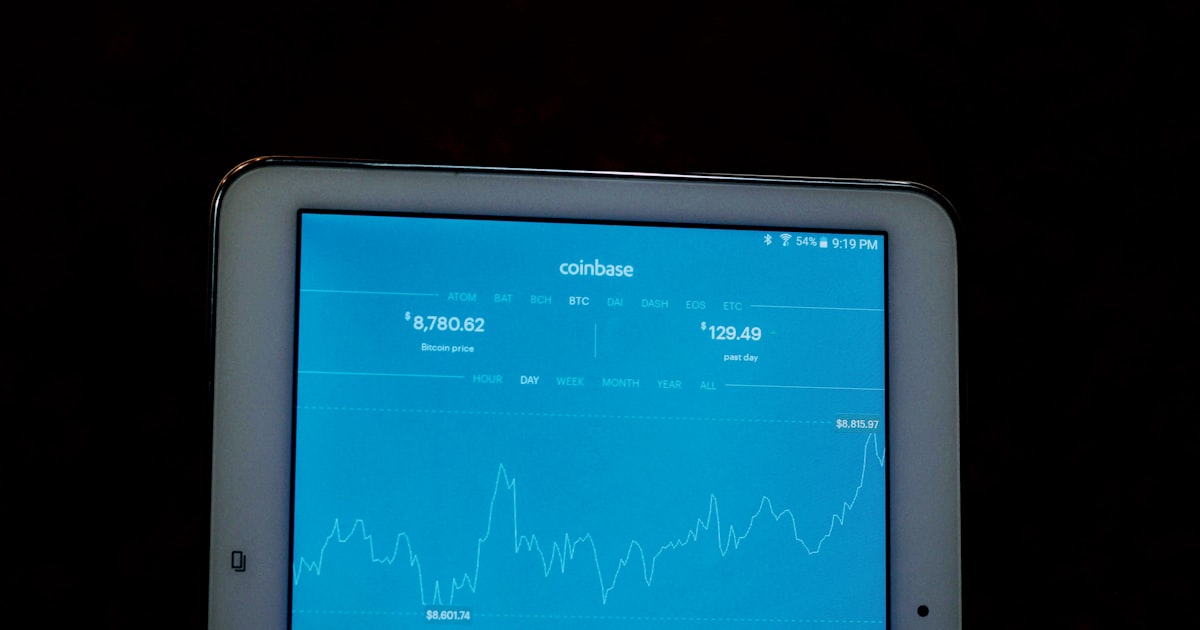
Bitcoin Gets Pinned at $77K as Liquidation Hunters Take Control
Bitcoin's sitting in a tight range right now. $77,000 to $78,000, to be specific. And if you own crypto—or you're thinking about it—you should understand why that narrow band matters way more than it seems.
The real question is this: who's actually controlling these price movements? According to CoinTelegraph, the answer isn't some fundamental shift in adoption or utility. It's liquidation hunting. Professional traders are deliberately pushing Bitcoin's price to specific levels to trigger automatic sell orders from leveraged retail investors. When those positions get liquidated, it creates cascading losses. For everyday people holding Bitcoin, this is particularly nasty because you're not getting pushed around by market supply and demand. You're getting pushed around by algorithm and timing.
But there's another layer here.
Geopolitical turbulence has crypto traders spooked. Doubts about a potential Iran peace deal are rippling through market sentiment in ways that traditional finance might not immediately grasp. Uncertainty tends to make people risk-averse. When they get risk-averse in crypto, they either sell or they tighten their positions. Neither outcome pushes Bitcoin higher.
The Security Problem Nobody's Really Talking About
Here's where it gets uncomfortable. While traders are focused on liquidation levels and geopolitical headlines, there's a quieter conversation happening in technical circles about Bitcoin's underlying architecture.
Bitcoin security vulnerability discussions have intensified lately. Not because Bitcoin's broken—it isn't. But because questions about Bitcoin quantum vulnerability keep resurfacing, and frankly, the industry hasn't settled on clear answers yet. There's a bitcoin quantum vulnerability debate among developers about whether Bitcoin Core needs architectural changes. Some proposals exist. Nothing's been implemented at scale.
And then there's the broader bitcoin vulnerability landscape. BTC cyber security isn't just about hackers breaking into exchanges anymore. It's about whether the consensus mechanism itself can withstand future computational threats. It's about whether current encryption holds up against quantum computing advances. These aren't doomsday scenarios—they're engineering questions.
So why does this matter when Bitcoin's trading at these price levels?
Because security concerns, once they penetrate mainstream awareness, move markets. Fast. If major institutional investors start viewing bitcoin quantum vulnerability as a material risk, you could see the same kind of selling pressure that liquidation hunting creates—except it'd be permanent.
What This Means For Your Money
The btc rate in $ is being artificially constrained by liquidation mechanics right now. That's important context if you're thinking about entry or exit points. These aren't natural resistance levels born from supply-demand equilibrium. They're technical patterns exploited by sophisticated traders.
If you're holding Bitcoin, the btc highest rate conversation matters less than understanding what's actually moving the needle. Geopolitical risk is real. Liquidation hunting is structural. And security vulnerabilities—whether they're immediate threats or distant possibilities—will eventually influence pricing.
Don't get caught thinking Bitcoin's price action reflects the network's fundamental strength. Right now, at $77K-$78K, it mostly reflects where the most leverage is stacked and which traders have the deepest pockets.
Watch the liquidation levels. Monitor geopolitical developments. And keep one eye on the security conversation happening in developer forums. That last one might matter most of all.