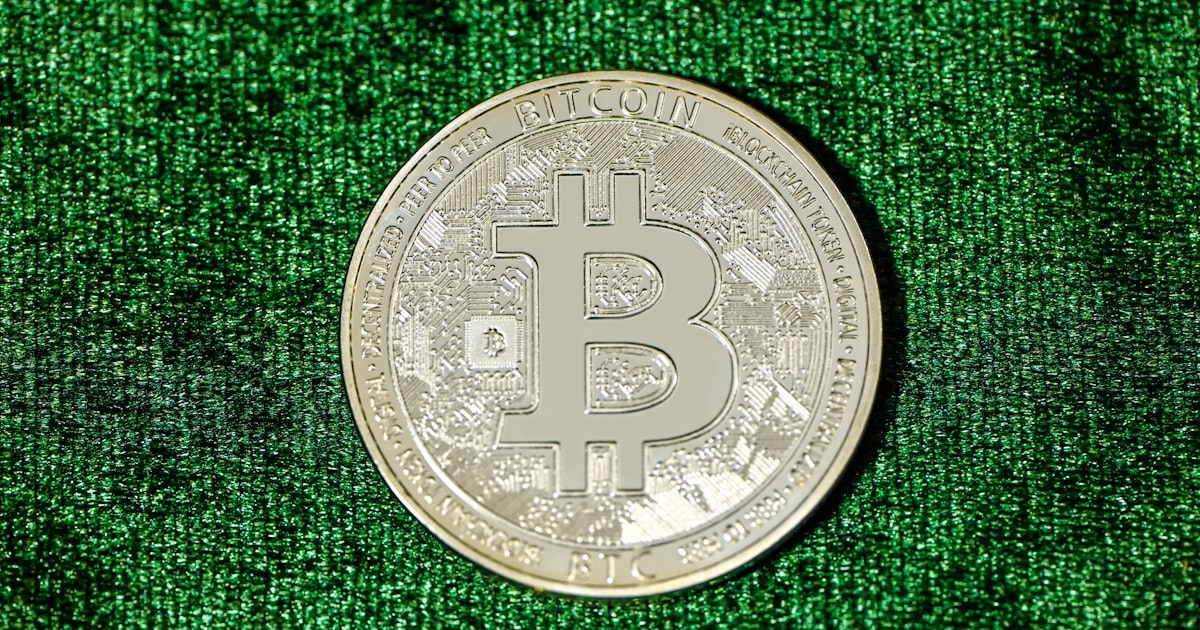
Bank of France Wants Stricter Rules on Stablecoins—Here's Why It Matters to You
Your crypto portfolio might soon feel the weight of European regulators' expanding reach. According to CoinTelegraph, a Bank of France official is pushing for tougher limits on non-euro stablecoins under MiCA—the European Union's Markets in Crypto-Assets Regulation framework. And simultaneously, EU lawmakers are crafting new reporting rules for self-custodial wallets holding more than 5,000 euros. None of this is accidental.
So why does this matter? Because these regulations will reshape how you buy, hold, and trade digital assets across Europe.
Let's start with the basics. MiCA is the EU's attempt to create unified crypto rules across member states. Instead of fighting different regulations in Germany versus France versus Spain, companies and users now face one rulebook. The Bank of France's latest push takes this further—they want stricter caps specifically on stablecoins that aren't denominated in euros.
Think of stablecoins like digital versions of traditional money. USDC, USDT, and other dollar-backed stablecoins are popular for trading and moving money quickly. The Bank of France sees a problem: if too many people use US dollar stablecoins instead of euro-based alternatives, that weakens the euro's relevance in the digital economy. That's a sovereignty issue for France. It's also an economic one.
But here's what gets interesting.
The new reporting requirements for self-custodial wallets represent a different kind of pressure. If you hold your crypto in a wallet you control yourself—not on an exchange—and that wallet contains over 5,000 euros worth of assets, you may soon need to report it. CoinTelegraph notes that EU lawmakers are advancing these rules as part of broader anti-money laundering efforts.
Why 5,000 euros? That threshold sits right where casual users meet serious participants. It's low enough to catch real activity. It's high enough to avoid pestering everyone who bought a small amount of Bitcoin in 2021.
The real question is whether these rules actually prevent financial crime or just create friction for legitimate users. Since the bank cyber attack news cycle never stopped—from the bank cyber attack australia incidents to broader bank cyber crime complaints flooding helplines globally—regulators are clearly spooked. They want visibility into large crypto holdings. That's understandable. But the execution matters enormously.
Here's the practical impact: if you're in the EU and hold stablecoins, diversify. The stricter limits on non-euro stablecoins mean liquidity might dry up, fees could spike, and availability could shrink. Euro-denominated alternatives like EURS or other euro stablecoins will likely see increased adoption pressure from above. It's not a ban. It's worse—it's a squeeze.
For the self-custodial wallet reporting rule, the guidance isn't crystal yet. But early indications suggest you'll need to document holdings above that 5,000-euro threshold. Keep records. Know your wallet addresses. This is the kind of bank cyber security challenge that extends beyond traditional banking now—securing your own digital assets AND managing compliance.
What's next? The Bank of France's position will likely influence final MiCA implementation throughout the EU. These aren't theoretical proposals anymore. According to CoinTelegraph, lawmakers are actively progressing on the wallet reporting requirements. Expect finalization within months, not years.
If you're trading or holding crypto in Europe, start documenting your holdings now. Understand which stablecoins you're using and whether they're euro-backed or dollar-backed. The regulatory environment isn't just tightening—it's getting specific, and specificity means enforcement.